
WELCOME TO
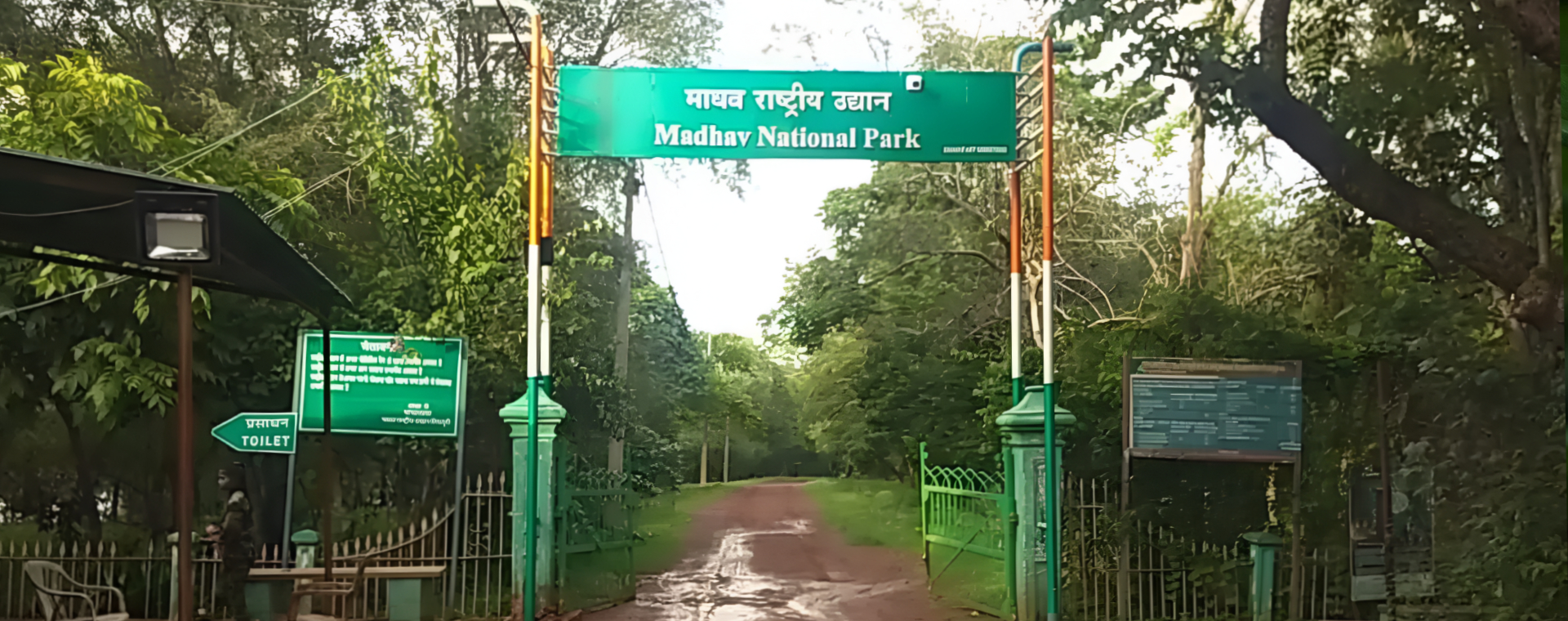
Madhav National Park
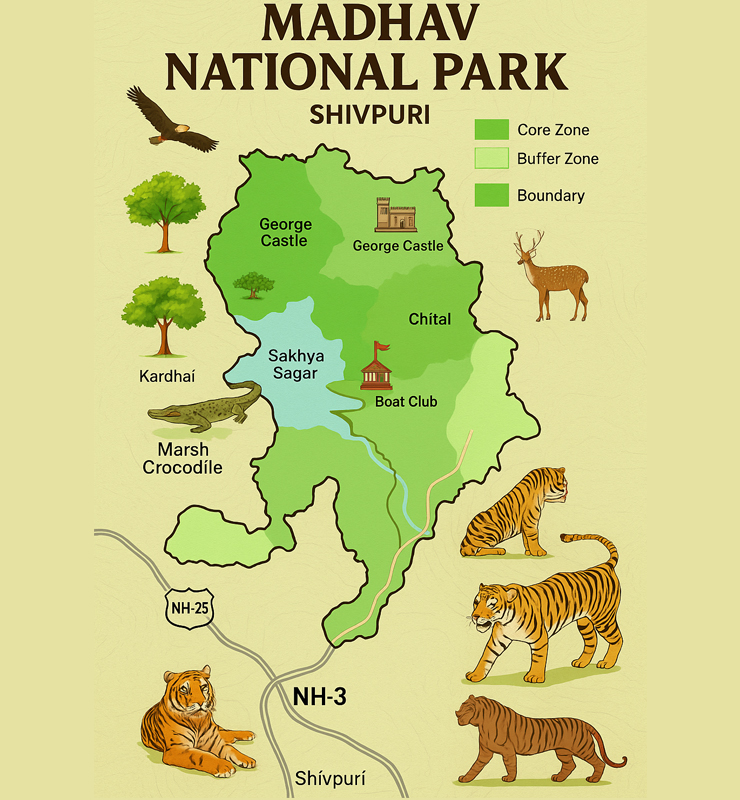
Madhav Tiger Reserve, located near Shivpuri in northern Madhya Pradesh, is where rich natural heritage meets royal legacy. Spanning 1,751 sq. km, it features a diverse landscape of forests, grasslands, valleys, and two major lakes— Sakhya Sagar (a Ramsar site) and Madhav Sagar—which support vibrant aquatic life, migratory birds, and marsh crocodiles. Visitors can enjoy unique wildlife experiences like crocodile safaris and serene lake views.
Declared India’s 58th Tiger Reserve in March 2025, Madhav now forms part of Madhya Pradesh’s expanding conservation network, currently sheltering seven tigers, including cubs, thanks to a reintroduction effort begun in 2023.
History of Madhav National Park
Once the royal hunting ground of the Maharaja of Gwalior and earlier, the Mughal emperor Akbar captured wild elephants here, and British officials like Lord Hardinge and Lord Minto hunted tigers in large numbers in the early 1900s. However, by the 1970s, tigers had vanished from the region.
Historic landmarks within the park—like the George Castle, built in 1911 for a royal hunt, and the scenic Sakhya Sagar Boat Club—echo its regal past. Notified as a National Park in 1958, Madhav was once open to hunting and photography before the Wildlife Protection Act of 1972 ushered in a new conservation era.
Today, the park stands as a symbol of revival—its elevation to Tiger Reserve status marks a new chapter in safeguarding its wildlife and restoring its once-lost tiger population.
Why Choose Us

Great Tiger Sightings
Two lakes inside the park — Sakhya Sagar & Madhav Sagar — attract wildlife year-round, improving chances of spotting tigers.
Peaceful & Undisturbed
“Madhav offers a serene and authentic safari experience, free from the crowds often seen in more commercialized parks—making it a hidden gem for nature enthusiasts.”
Open All Year
Madhav Tiger Reserve stands apart from many other reserves. While a few gates close between July 1st and September 30th, most remain accessible even during the monsoon season—thanks to its well-maintained internal roads. Madhav National Park comes alive during the monsoon season, offering a refreshing escape for nature lovers
Stunning Landscapes
A scenic mix of lakes, forests, and grasslands — perfect for photography, birdwatching, and nature walks.
Excellent Connectivity
Former NH-3 & NH-27 run through the park; Gwalior and Jhansi are just 1–2 hours away. An airport is also coming up soon.
Perfect Weekend Getaway
Well-connected to Delhi, Jaipur, Bhopal, Indore, and Gwalior — ideal for quick wildlife escapes.
General Information About Madhav
- Core Area: ~375 Sq Km (approx.)
- Buffer Area: Not officially designated
- Total Area: ~375 Sq Km (approx.)
- Location: Shivpuri District, Madhya Pradesh
- Established: 1958 (originally a royal hunting reserve, declared National Park in 1958)
- Major Attractions: Leopards, sloth bears, nilgai, sambar, chinkara, langurs, crocodiles, over 200 bird species; scenic Sakhya Sagar Lake and George Castle
- Best Time to Visit: October to March
- Safari Timings Safari Timings Morning: ~6:00 AM–10:30 AM; Evening: ~3:00 PM–6:00 PM; Full-day safaris available on request
- Closing Period: Typically July to September (monsoon season; dates may vary)
- Highlights: Lake boating, birdwatching, forest safaris, historic George Castle lookout
Animals you will meet in Madhav
FAQ About Madhav National Park
How can I book a safari at Madhav Tiger Reserve?
+ -You can book your safari online by filling out the form above with your preferences. Once submitted, our team will assist you with the complete booking process.
What documents are required for safari booking?
+ -To confirm your booking, you’ll need: A valid photo ID (Aadhaar, Voter ID, PAN, Driving License) Passport details (for international tourists) Preferred safari date and time slot (morning or afternoon) Visitor details as per ID (full name, gender, age, nationality) Full safari entry fee paid in advance
How far in advance can I book?
+ -Bookings open 120 days in advance.
What are the safari timings?
+ -Timings vary seasonally: Morning Safari: 6:00 AM – 11 AM Evening Safari: 4:00 PM – 6.30 PM (Note: Timings may shift slightly depending on weather and daylight.)
How many safari zones or gates are there?
+ -Madhav Tiger Reserve currently has 5 entry gates, with Sailing Club Gate (Gate No. 1) serving as the main and most frequented entrance.
Can I book a private jeep or is it shared?
+ -Both options are available. You can book a private 6-seater jeep or choose to share with others.
When is the park closed?
+ -Madhav Tiger Reserve remains open year-round only few gates are closed during monsoon season — a rare advantage among Indian reserves.
Is birdwatching possible in Madhav?
+ -Definitely! With over 180 bird species, Madhav is a haven for birdwatchers and photographers alike.
Why is Madhav Tiger Reserve famous?
+ -Madhav is celebrated for its diverse wildlife, frequent tiger sightings, and the presence of a historic Ramsar-listed lake (Sakhya Sagar). Its year-round accessibility, serene landscapes, and proximity to major cities make it an ideal destination for both wildlife enthusiasts and weekend travelers.
Resorts & Stays
Handpicked resorts and stays offering the perfect blend of comfort and nature.
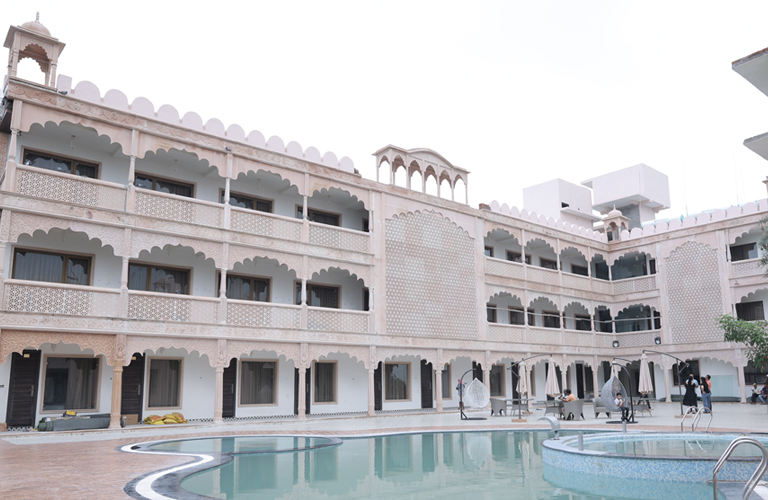
Shiv resort
Facilities
- Ac rooms|suite rooms
- Swimming pool
- Dining|restaurant
- Garden|lawn
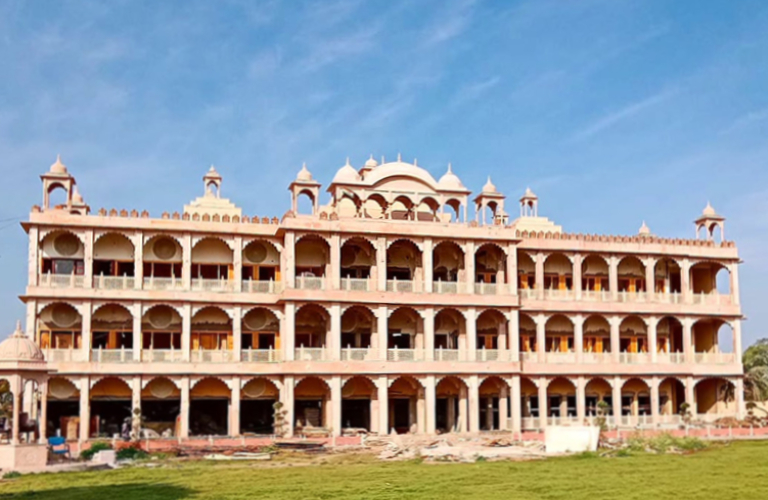
Mewar palace & resort
Facilities
- Ac rooms|suite rooms|cottages
- Swimming pool
- Dining|restaurant
- Garden|lawn
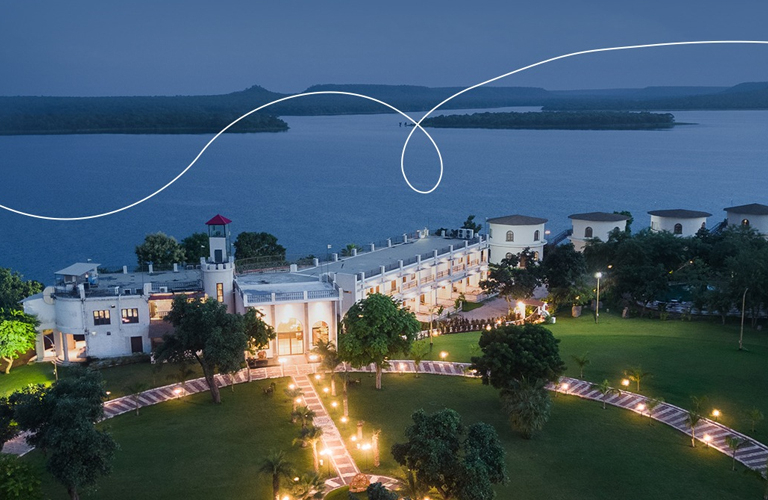
Narwar Lakefront resort
Facilities
- Ac rooms|suite rooms|cottages
- Swimming pool
- Dining|restaurant
- Garden|lawn
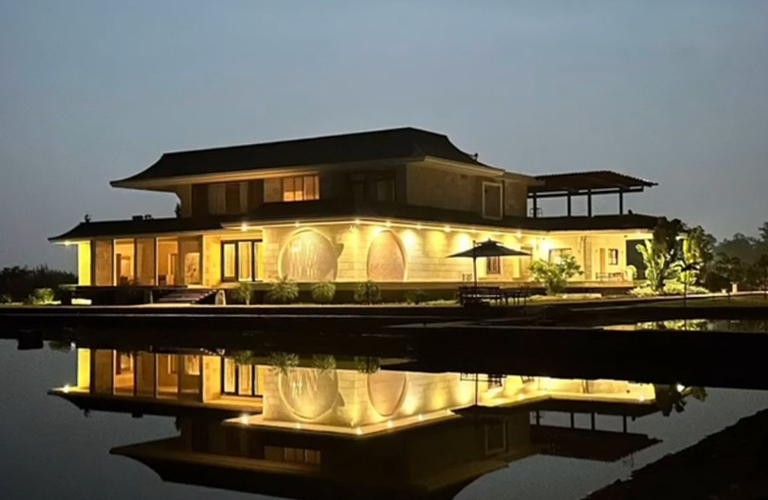
Bairagarh living resort
Facilities
- Ac rooms|suite rooms|mud huts
- Swimming pool
- Dining|restaurant
- Garden|lawn
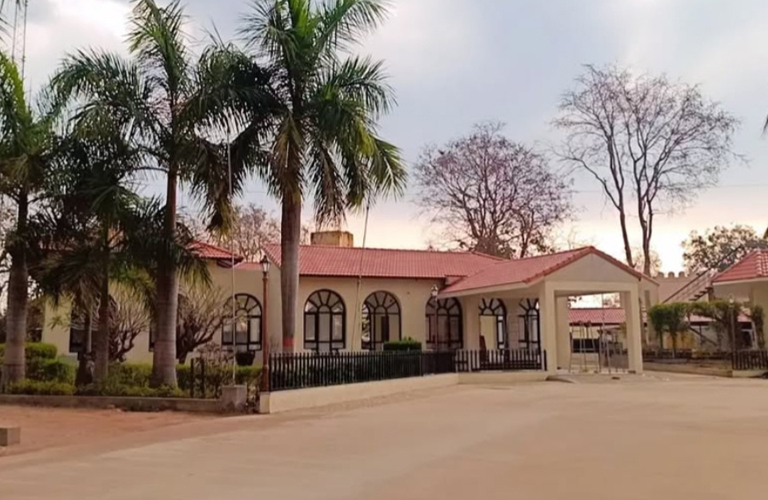
Tourist village resort
Facilities
- Ac rooms|suite rooms|villa
- Swimming pool
- Dining|restaurant
- Garden|lawn
ABOUT Tiger
Tigers of Madhav – Power, Majesty, and Resurgence
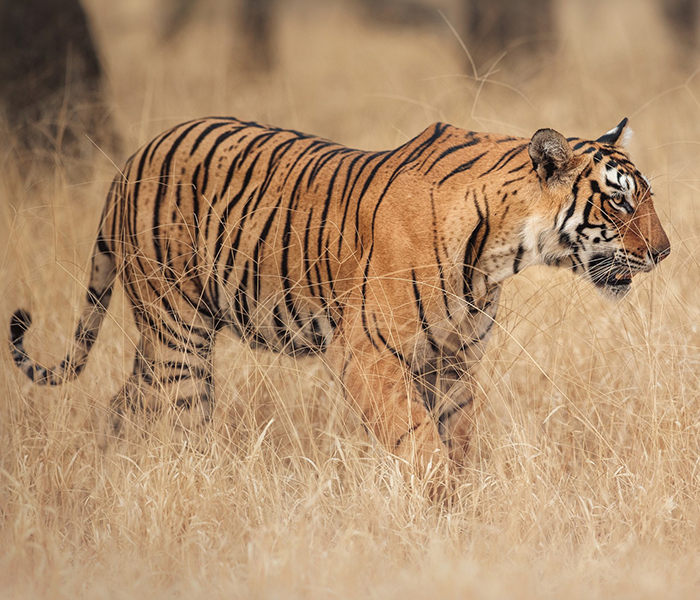
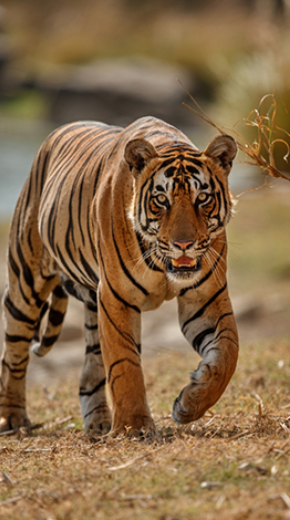
In Madhav Tiger Reserve, the sight of a tiger—India’s national animal—emerging from the forest or walking by the lakeside is both humbling and unforgettable. Symbolizing strength and grace, the tiger is a true icon of India’s wild heritage.
Physical Features & StrengthTigers are the world’s largest big cats, with males weighing up to 260 kg. Their signature orange coat with black stripes helps them blend into the forest, and each tiger has a unique stripe pattern—nature’s own fingerprint.
Built for stealth and power rather than speed, they can take down large prey and are strong swimmers, often using water bodies as part of their territory.
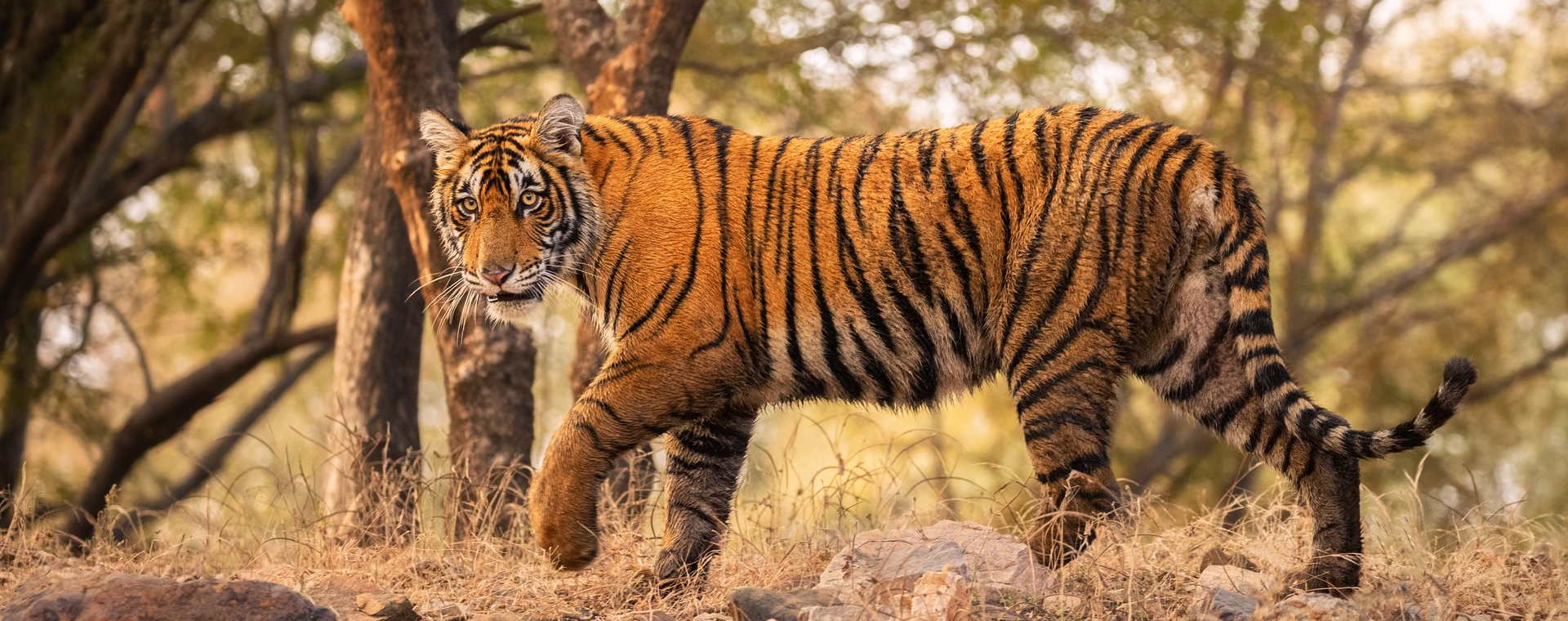
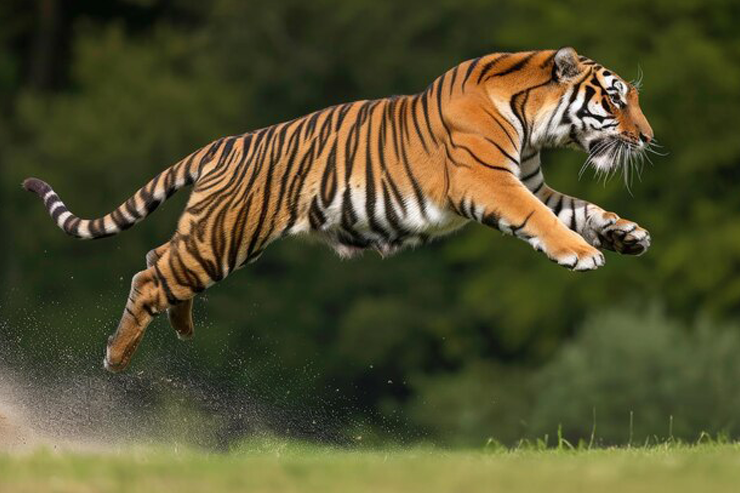
Tigers are solitary ambush predators, usually hunting at night. Their technique involves stalking, a brief sprint, and a powerful strike. After a successful kill, they drag it to a secluded spot to feed.
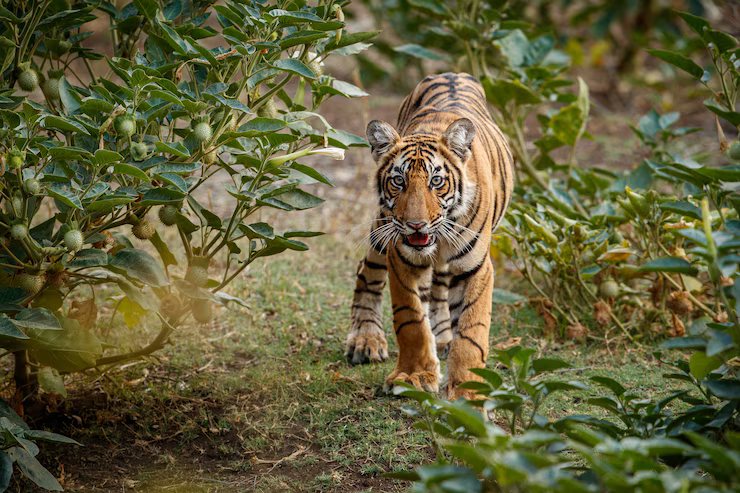
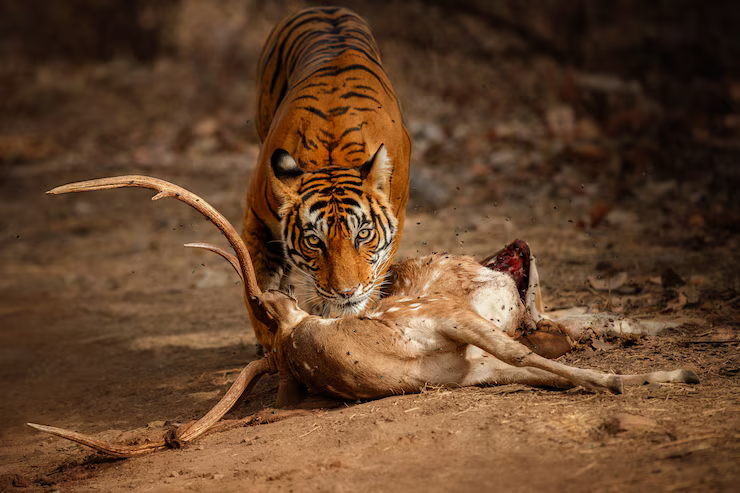
After a 3.5-month gestation, tigresses give birth to 2–4 cubs. Cubs stay with their mother for up to two years, learning to hunt and survive before venturing off to establish their own territories.
Conservation & ChallengesTigers face threats from habitat loss, poaching, human conflict, and prey depletion. Conservation strategies in Madhav focus on protecting habitat, reducing conflict, and increasing anti-poaching measures.
Madhav’s Tiger RevivalIn March 2025, Madhav was declared India’s 58th Tiger Reserve, covering 1,751 sq. km. A successful reintroduction program has re-established a small but growing tiger population, marking a significant step in restoring the ecological balance and reaffirming Madhav’s role in India’s tiger conservation efforts.
Madhav Tiger Reserve offers a unique experience in every season
 Winter
October-February:
The best time to witness the forest’s changing hues. Ideal for spotting migratory waterfowls at Sakhya Sagar and nearby water bodies.
 Summer
March-June:
Excellent for wildlife sightings, as animals gather around water sources.
 Monsoon
July-September::
A scenic treat with lush greenery and picturesque waterfalls like Bhura Kho and Tunda Barkha — not to be missed.
Safari Types, Booking Info & Entry Zones
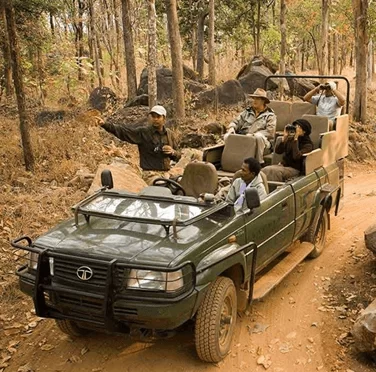
Gypsy (Jeep) Safari
Currently, only one type of safari is available in Madhav:
Experience the charm of Madhav Tiger Reserve through an open-gypsy safari, accompanied by a trained guide. This thrilling ride takes you through the reserve’s rich landscapes—including lush mixed forests, open grasslands, shimmering lakes, and seasonal waterfalls.
Perfect for nature lovers, birdwatchers, and wildlife enthusiasts, the gypsy safari offers a peaceful yet adventurous way to explore the biodiversity and scenic beauty of Madhav.
How to Book Madhav Safari Tickets
Booking your safari at Madhav Tiger Reserve is simple and stress-free with us. Just head to our Madhav Safari Booking page — we’ll take care of the rest!
We offer end-to-end booking services, including:
- Selection of gate and safari timing
- Jeep and guide arrangements
- Assistance with required ID documentation
- Add-ons like transport, meals, and accommodation
- Complimentary morning breakfast (for morning safaris) and high tea in the evening (for evening safaris)
Since safaris are booked on a first-come, first-served basis, we highly recommend reserving your spot well in advance. Let us handle the logistics — while you enjoy the wilderness with comfort and care!
Madhav Safari Booking Essentials – At a Glance
- ID Required: A valid government-issued ID is mandatory for all visitors. International tourists must carry their passport.
- Inclusions: Permit covers entry, vehicle, and guide — no extra payment at the gate.
- Non-transferable: Permits are valid only for the chosen date and time.
- Advance Booking: Recommended at least 120 days in advance due to limited slots.
- Waiting List: Permits with a ‘W’ status are provisional and only confirmed if cleared. If not, they are automatically cancelled and refunded 5 days before the safari date.
Tip: Book early and keep documents ready for a smooth safari experience!
Best Safari Zones in Madhav Tiger Reserve & How to Choose Your Gate
Madhav Tiger Reserve currently has five safari gates, each offering a unique experience. Here’s a quick guide to help you pick the best one for your adventure:
1. Sailing Club Gate (Gate No. 1)
- Distance: 4.3 km (~10 min) from Shivpuri | 60 km from Ahera Gate (Kuno) Highlights: Enter through a picturesque landscape featuring the stunning Shakya Sagar Lake and the historic Boating Club.
- Highlights: Enter through a picturesque landscape featuring the stunning Shakya Sagar Lake and the historic Boating Club.
- Status: Open for tourism
2. Bharkuli Gate
- Distance: 23 km (~33 min) from Shivpuri | 77 km from Jhansi
- Highlights: Offers an alternative entry with access to dense forest areas, ideal for spotting wildlife in their natural habitat.
- Status: Open for tourism
3. Bhoora Khon Gate (Gate No. 14)
- Distance: 18 km (~23 min) from Shivpuri | 72 km from Ahera Gate (Kuno) | 100 km from Gwalior
- Highlights: Home to a scenic seasonal waterfall, this gate is perfect for nature lovers and photographers.
- Status: Open for tourism
4. Tourist Village Gate (Gate No. 3)
- Distance: 4.2 km (~9 min) from Shivpuri | 62 km from Ahera Gate (Kuno)
- Status: Currently closed until further notice
5. Vinega Ashram Gate
- Distance: 9.3 km (~15 min) from Shivpuri
- Highlights: Known for its seasonal waterfall and serene natural beauty. A peaceful route for those looking to unwind in the wild.
- Status: Open for tourism
Recommendation: All gates are easily accessible and offer a blend of scenic beauty, forest trails, and wildlife sightings. Whether you're looking for water views, forest drives, or peaceful solitude—there's a zone to match every interest.
Booking Options
Enjoy a hassle-free booking experience with two simple options:
1. Chat With Us on WhatsApp
- Click the WhatsApp icon at the bottom-left corner of your screen to speak directly with our safari experts.
2. Fill Out the Safari Booking Form
- Complete our easy booking form with your preferences — our team will contact you with tailored safari options.
Shivpuri gateway to madhav tiger reserve & kuno national park
How to Reach Shivpuri
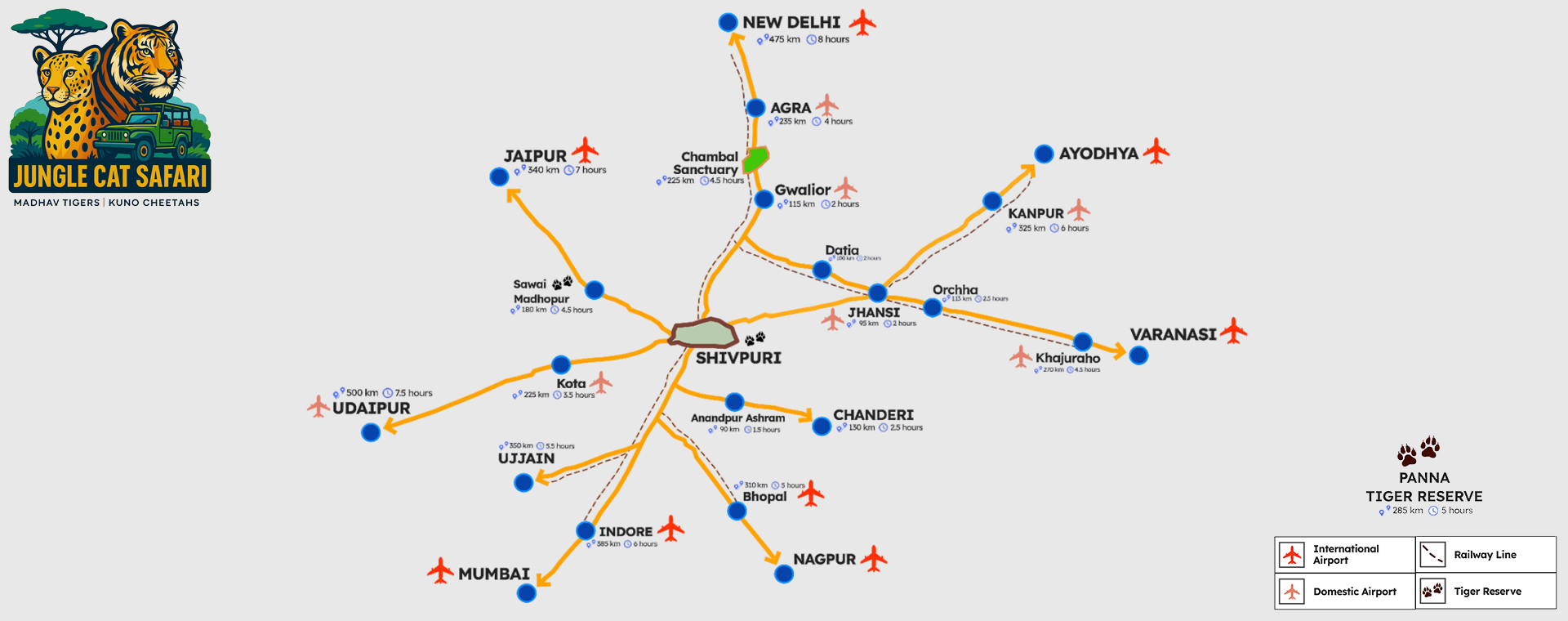
Shivpuri is an ideal base for wildlife enthusiasts, thanks to its excellent connectivity to major cities and proximity to both Madhav Tiger Reserve and Kuno National Park. Three gates of Kuno National Park are just 50–60 km from Shivpuri, making them even closer than Sheopur making day trips easy and accessible. The town also offers a wide range of comfortable lodging options to suit every kind of traveler.
What truly sets this region apart is the emerging wildlife corridor connecting Madhav and Kuno—a natural stretch of over 100 sq km that’s becoming a shared habitat for both tigers and cheetahs. This rare overlap has turned the area into a thrilling new hotspot, offering visitors the extraordinary opportunity to witness these iconic predators roaming freely, side by side, in their natural environment.

By Air
By Air
The nearest airport is Gwalior Airport (Rajmata Vijaya Raje Scindia Air Terminal), located approximately 125.6 km from Shivpuri. It takes around 2 hours and 30 minutes by road to reach the destination.

By Train
By Train
Shivpuri has its own railway station, well-connected to major cities such as Delhi (400 km), Bhopal (300 km), Gwalior(117km) and Indore (400 km).
By Road
By Road
Shivpuri enjoys excellent road connectivity with several key cities, including Bhopal (300 km), Jaipur (341 km), Delhi (400 km), Indore (400 km), Ujjain (352 km), Khajuraho (279 km), Kota (229 km), Chanderi (127 km), Orchha (115 km), and Jhansi (100 km), among others.
Kuno and Madhav National Parks lie in close proximity and even share boundaries in some areas. This makes Shivpuri an ideal base for wildlife enthusiasts, offering easy access to rich biodiversity and excellent wildlife sightings.
Do's & Don't
Do’s and Don’ts for Travelers in Wildlife Reserves and Tourist Places (Including Temples)
Do’s:
+ -- Follow Park Guidelines Strictly – Always listen to your safari guide and forest officials.
- Stay Inside the Safari Vehicle – Getting out is prohibited and dangerous unless at designated points.
- Keep Calm and Quiet – Silence enhances your chances of spotting wildlife and keeps animals at ease.
- Use Binoculars – Observe wildlife from a safe distance; never attempt to approach.
- Be Punctual – Safaris are timed with wildlife activity and daylight hours.
- Dress Appropriately – Earth-toned clothing (greens, browns) helps you blend into the environment.
- Carry Essentials – Water, hat, sunscreen, light snacks, and valid ID proof.
- Respect Park Limits – Stay within designated tracks and zones.
- Observe, Don’t Disturb – Appreciate nature without interfering with its course.
Don’ts:
+ -- Do Not Step Out of the Vehicle – Except at officially permitted points.
- No Loud Noises or Shouting – It startles animals and disrupts the experience.
- Do Not Panic if You Encounter Wildlife – Stay calm and let your guide handle the situation.
- Never Feed the Animals – It's harmful and creates dependency or aggression.
- Avoid Flash Photography – It can scare or irritate animals.
- Don’t Litter – Leave nothing behind; keep the forest pristine.
- No Smoking or Alcohol – Strictly prohibited for safety and conservation reasons.
- Don’t Try to Attract Animals – Whistling, calling, or mimicking sounds is forbidden.
- Avoid Bright Clothing & Strong Perfumes – Both can distract or agitate wildlife.
- Don’t Violate Entry Timings – Entering outside permitted hours is illegal and risky.
Travel mindfully. Whether you’re in the heart of a jungle or the serenity of a shrine, your respect for nature and culture makes all the difference.
Safari Must-Knows: Dress, Pack & Park Rules"
Do’s and Don’ts for Travelers in Wildlife Reserves and Tourist Places (Including Temples)
What to Wear for Safari
-
Winter Safaris (October to February):
- Layer up with fleece jackets, thermals, woolen gloves, a beanie, and a muffler
- Stick to neutral tones like olive, brown, or grey to blend in with nature
- Wear closed-toe walking shoes or boots for warmth and safety
-
Summer Safaris (March to June):
- Opt for light-colored, full-sleeved cotton shirts and trousers
- Protect yourself with a wide-brimmed hat or cap and UV-protected sunglasses
- Choose comfortable, breathable yet rugged shoes
- Don’t forget sunscreen and a light scarf or neck gaiter
What to Carry
-
Make the most of your safari with these must-haves:
- water bottle to stay hydrated
- Binoculars and a good camera for wildlife spotting and photography
- Sunscreen, insect repellent, and lip balm for skin protection
- Basic first-aid kit and any essential medications
- Power bank, phone charger, and valid ID proof
- A compact backpack to keep your essentials handy during the safari
Mobile Usage Rules in wildlife parks
1. Keep It Silent:
Always keep your phone on silent or vibration mode. Loud ringtones, music, or videos are strictly prohibited.2. No Flash Photography:
Flash can startle animals and is not permitted under any circumstances.3. Unreliable Network:
Mobile signal is often unavailable in core areas—do not rely on your phone for communication inside the reserve.4. No Live Streaming or Video Calls:
These can distract both animals and fellow visitors and are usually not allowed.5. Limit Use During Safaris:
During critical sightings, guides may ask you to keep your phone away to avoid disruptions.6. Emergency Use Only:
Phones should only be used in genuine emergencies—not for casual calls, texting, or browsing7. Respect Wildlife:
Never use your phone to mimic animal calls or engage in any behavior that may disturb animals.8. Avoid Geotagging:
Sharing geotagged images of endangered species (especially tigers/cheetahs) is discouraged to help prevent poaching.9. No Drone Operations:
Operating drones via phones (or otherwise) is illegal in protected areas without prior official permission.10. Adhere to Reserve-Specific Rules:
Each park may have its own set of mobile usage policies. Always follow instructions from your guide or forest staff.TOP