WELCOME TO
Kuno National Park
Located in the Sheopur district of Madhya Pradesh, Kuno National Park is a rising star in Indian wildlife conservation. Spanning 748 sq. km with an additional 600 sq. km buffer zone, it offers rich biodiversity and pristine, crowd-free landscapes. The park gained international attention in 2022 with the Cheetah Reintroduction Project, making it the only place in India where African cheetahs roam free.
Home to leopards, sloth bears, wolves, hyenas, antelopes, and over 200 bird species, Kuno is ideal for wildlife safaris and nature exploration. Originally a wildlife sanctuary, Kuno was declared a national park in 2018, elevating its conservation status and ecological value.
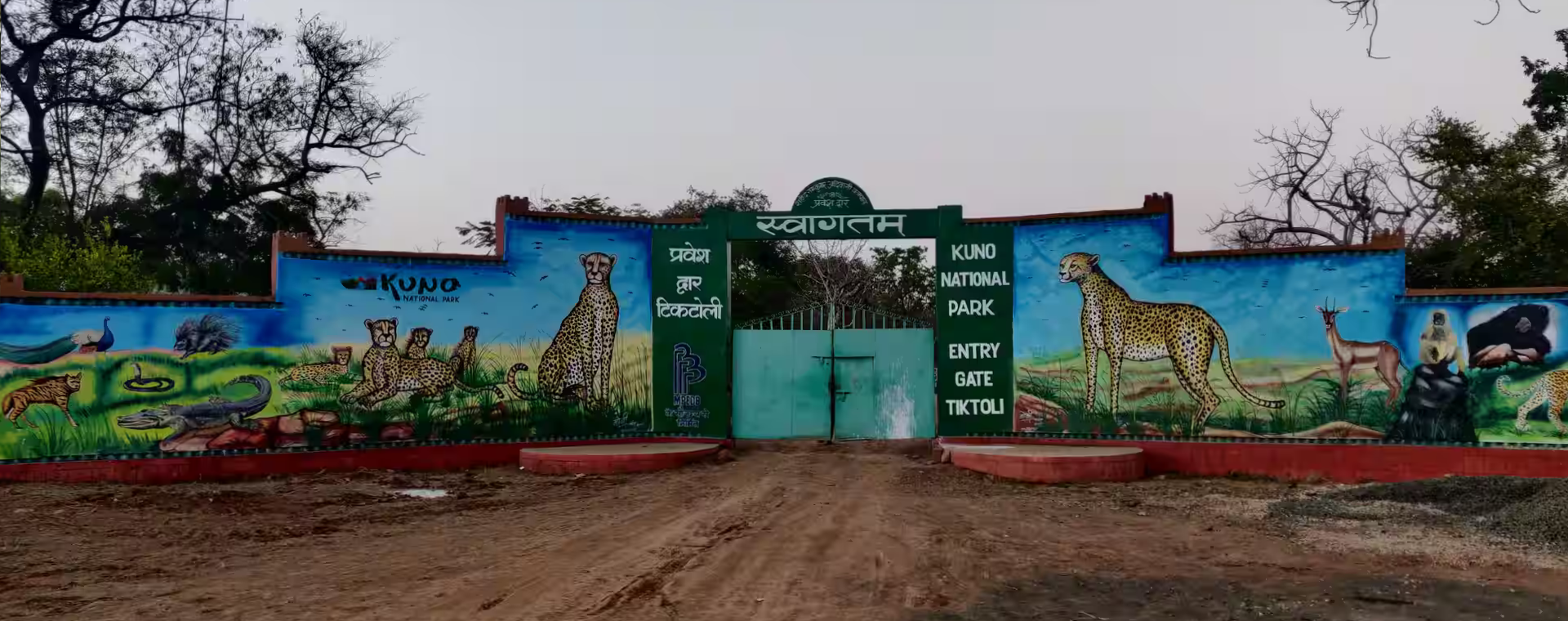
History of Kuno National Park
Kuno’s conservation journey began in 1981 as a Wildlife Sanctuary to protect the Kuno River basin ecosystem. In the 1990s, it was selected for the Asiatic Lion Relocation Project due to its suitable habitat and low human disturbance. This led to a large-scale, humane relocation of 24 villages, creating space for wildlife. Although the lion project stalled, the ecological groundwork set the stage for future conservation efforts.
In 2018, Kuno was designated a National Park, and in 2022, it became the center of India’s cheetah revival efforts. Kuno’s history reflects a strong legacy of ecological planning, community involvement, and species restoration.
Why Choose Us

India’s Cheetah Capital
Be part of history at Kuno — the only place in India where cheetahs have returned after 70 years. Watch these sleek, powerful cats roam free in their new wild home.
A Dual Big Cat Safari Destination
Kuno shares its boundary with Madhav Tiger Reserve, making it the only safari region in India where, within a 60 km radius, you can spot both cheetahs and Bengal tigers in the wild. A rare opportunity for big cat enthusiasts!
Serene and Less Crowded
“Kuno is a quiet paradise for wildlife lovers — offering an authentic, off-the-beaten-path safari experience without the hustle and crowds of commercial parks.”
Serene and Less Crowded
“Kuno is a quiet paradise for wildlife lovers — offering an authentic, off-the-beaten-path safari experience without the hustle and crowds of commercial parks.”
Serene and Less Crowded
“Kuno is a quiet paradise for wildlife lovers — offering an authentic, off-the-beaten-path safari experience without the hustle and crowds of commercial parks.”
Serene and Less Crowded
“Kuno is a quiet paradise for wildlife lovers — offering an authentic, off-the-beaten-path safari experience without the hustle and crowds of commercial parks.”
General Information About Kuno
- Core Area: 748 Sq Km (approx.)
- Buffer Area: 495 Sq Km (approx.)
- Total Area: ~1,243 Sq Km
- Location: Sheopur & Morena Districts, Madhya Pradesh
- Established: 1981 (declared Wildlife Sanctuary), upgraded to National Park in 2018
- Major Attractions: Cheetah reintroduction, leopards, sloth bears, nilgai, sambar, chinkara, birds; scenic Kuno River
- Best Time to Visit: October to April
- Safari Timings Morning: ~6:30 AM–11:00 AM; Evening: ~3:30 PM–6:00 PM; Full-day safaris available
- Closing Period: Typically mid‑June to mid‑September (monsoon season; dates may vary)
- Highlights: River safaris, cheetah watch, forest trails, historic look‑out points
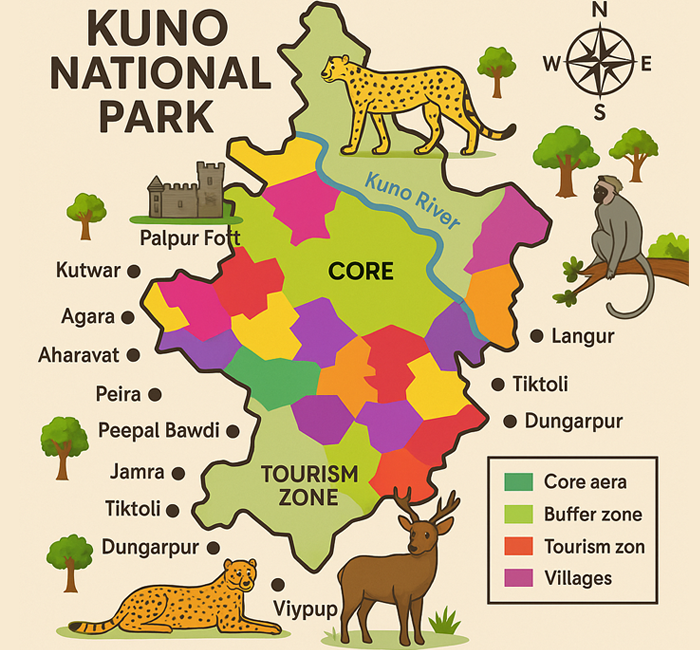
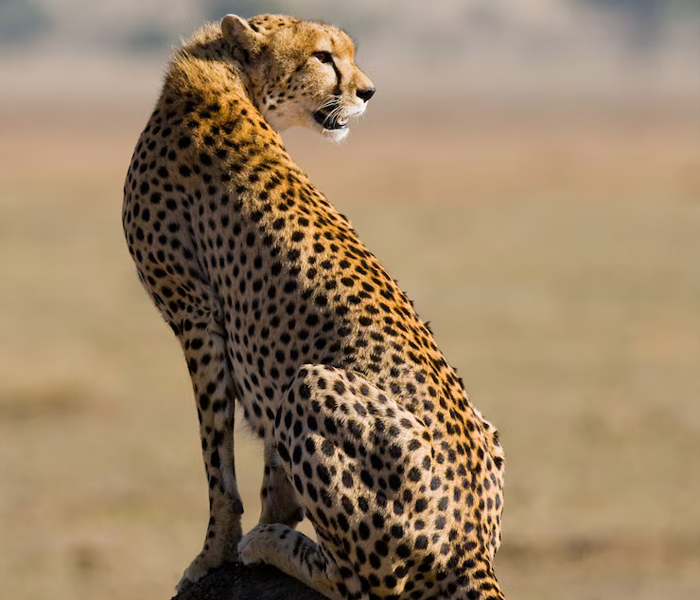
Animals you will meet in Kuno
FAQ About Kuno National Park
How can I book a safari at Kuno National Park?
+ -You can book your safari online by filling out the form above with your preferences. Once submitted, our team will contact you with booking details and assistance.
What documents are required for safari booking?
+ -To confirm your Kuno Safari, you’ll need: A valid photo ID (Aadhaar, Voter ID, PAN, Driving License) Passport details (for international tourists) Safari date and preferred timing (morning/afternoon) Visitor details as printed on ID (full name, gender, etc.) Full safari entry fees paid in advance
How far in advance can I book?
+ -Bookings open 120 days in advance.
What are the safari timings?
+ -You can book your safari online by filling out the form above with your preferences. Once submitted, our team will contact you with booking details and assistance.
How many safari zones or gates are there?
+ -Kuno has 3 entry gates, with Tiktoli Gate being the main entry point.
Can I book a private jeep or is it shared?
+ -Both options are available. You can book a private 6-seater jeep or choose to share with others.
When is the park closed?
+ -Kuno National Park is closed from 1st July to 30th September during the monsoon season.
Is birdwatching possible in Kuno?
+ -Yes, Kuno is home to 200+ bird species, making it a great spot for birdwatching.
Why is Kuno National Park famous?
+ -Kuno is the only park in India where Cheetahs live in the wild under the Cheetah Reintroduction Project. It’s also known for birdwatching, wildlife spotting, and photography.
Resorts & Stays
Handpicked resorts and stays offering the perfect blend of comfort and nature.
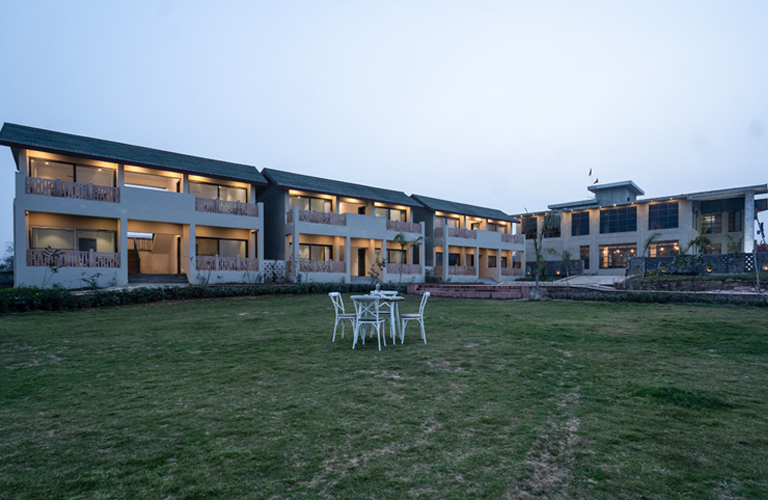
The palpur fort resort
Facilities
- Ac rooms|suite rooms
- Swimming pool
- Dining|restaurant
- Garden|lawn

Radhika vilas
Facilities
- Ac rooms|suite rooms
- Swimming pool
- Dining|restaurant
- Garden|lawn
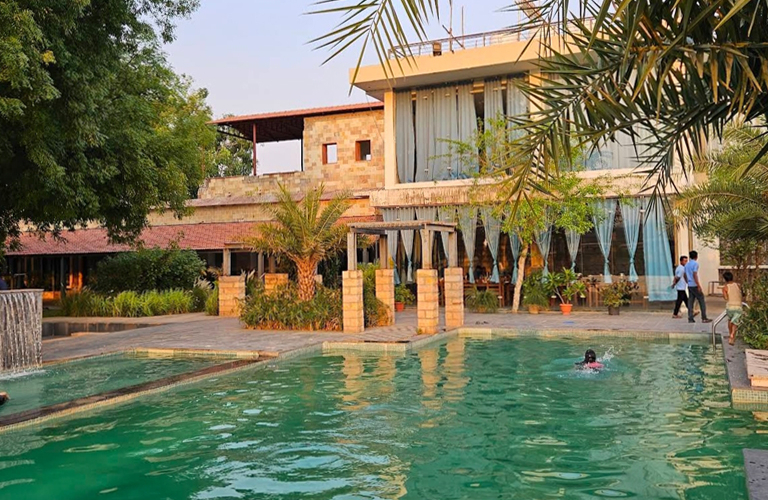
Jungle Resort
Facilities
- Ac rooms|suite rooms
- Swimming pool
- Dining|restaurant
- Garden|lawn
The palpur fort resort
Facilities
- Ac rooms|suite rooms
- Swimming pool
- Dining|restaurant
- Garden|lawn
ABOUT CHEETAH
Cheetahs of Kuno – Speed, Grace, and Survival
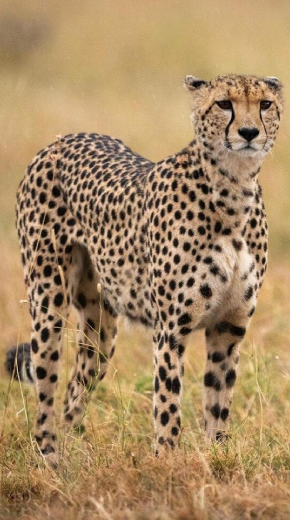
The cheetah is not only the world’s fastest land animal but also one of the most graceful hunters. In the open plains of Kuno National Park, witnessing a cheetah in action—its focused gaze, explosive sprint, and agile chase—is a rare and thrilling experience.
Physical CharacteristicsCheetahs weigh between 75–125 pounds, measure up to 7.5 feet including the tail, and stand 28–36 inches at the shoulder. Males are slightly larger than females, but gender is hard to distinguish visually.
Their spotted coats are uniquely patterned, aiding in camouflage, and they possess semi-retractable claws—a rare trait among big cats that helps with traction during high-speed chases.
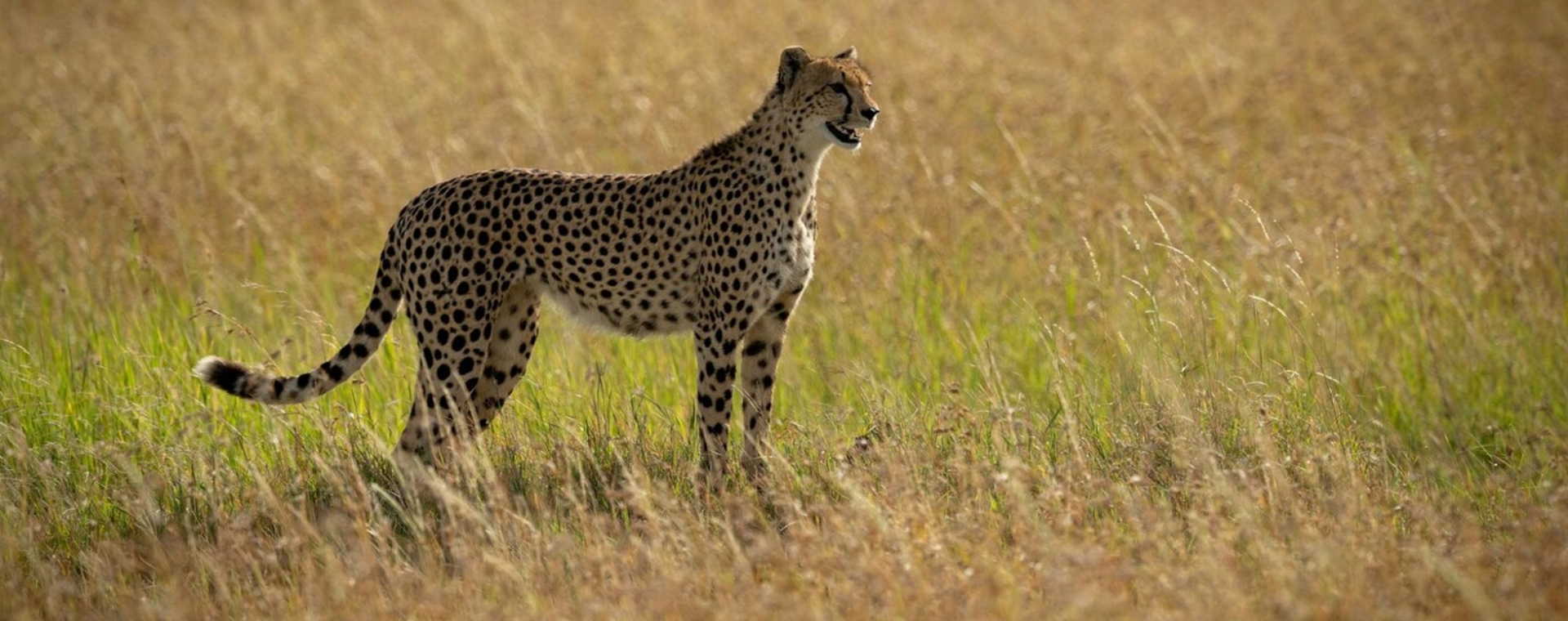
Cheetahs are built for bursts of acceleration, reaching speeds over 110 km/h (70 mph) in just a few seconds. Their long stride (up to 7 meters), flexible spine, and lightweight frame make them unmatched in pursuit.
They rely on their keen eyesight to spot prey like antelopes and hares, and their stealthy, diurnal (daylight) hunting strategy gives them an edge in open landscapes.
Hunting StrategyCheetahs hunt visually, often using elevated spots like termite mounds to scout for prey. A typical hunt involves:
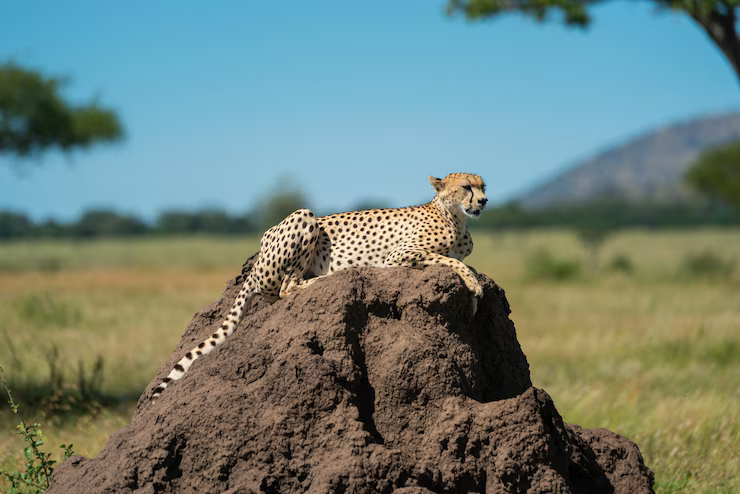
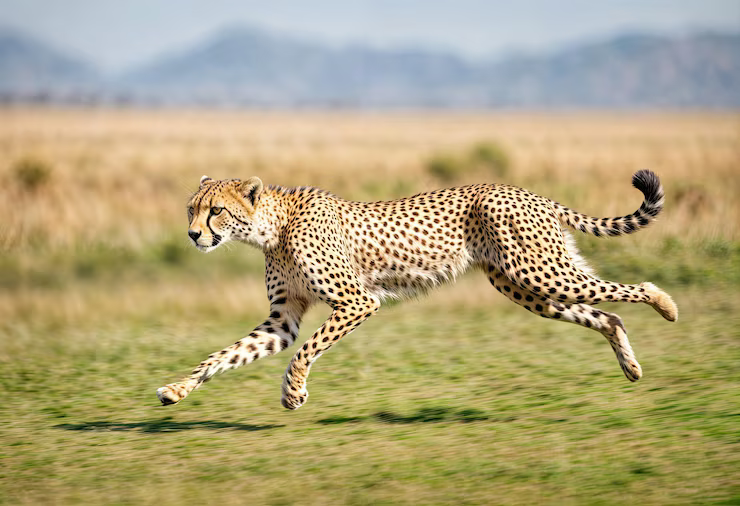
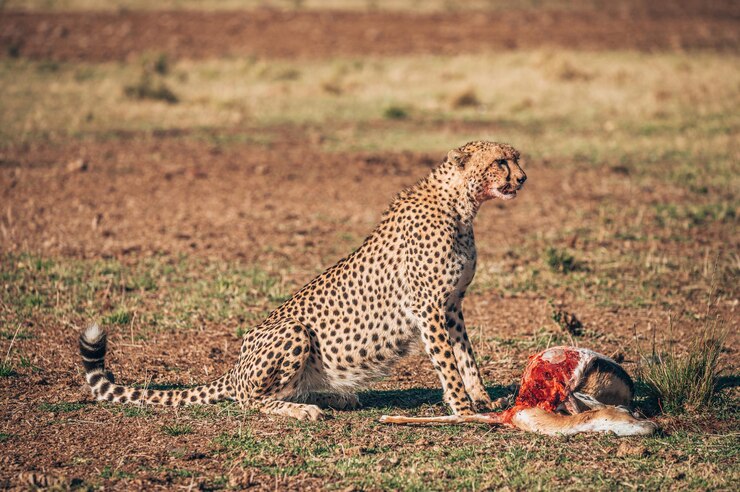
After a 3-month gestation, females give birth to 2–8 cubs, each weighing under 1 pound. Cubs are born blind and vulnerable, relying entirely on their mother. A thick, dark mane provides early camouflage and temperature regulation.
Once older, cubs stay with their siblings for several months after leaving their mother, developing skills to survive independently.
Unique MarkingsCheetahs have distinct tear-like black lines from their eyes to mouth—believed to reduce sun glare and enhance focus during hunts, much like a scope.
Conservation ChallengesCheetahs face a complex mix of threats:
- Habitat loss
- Human-wildlife conflict
- Illegal wildlife trade and poaching
- Low genetic diversity
Their wide-ranging nature makes conservation especially difficult. While they are protected under CITES since 1975, they remain vulnerable due to retaliatory killings, shrinking prey bases, and trafficking for exotic pets or skins.
Kuno’s Role in RevivalKuno National Park is at the heart of India’s cheetah reintroduction efforts. Here, they are monitored, protected, and given a chance to thrive once again in the wild—marking a bold step in global conservation.
Best season to Visit Kuno National Park
 Winter
October-February:
The ideal time to visit. Pleasant weather and scenic landscapes make wildlife exploration enjoyable.
 Summer
March-June:
Hot but great for sightings, as animals gather near waterholes.
 Monsoon
July-September::
Not recommended. Rain limits movement and visibility, though the park looks lush and dramatic.
Safari Types, Booking Info & Entry Zones
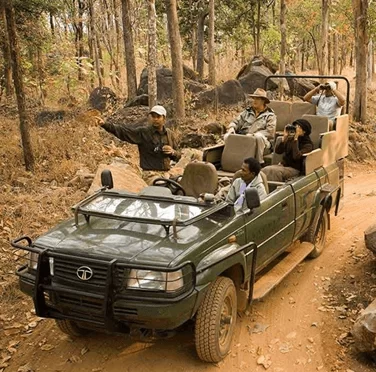
Gypsy (Jeep) Safari
Currently, only one type of safari is available in Kuno:
Explore the wild side of Kuno in an open jeep accompanied by a knowledgeable guide. The gypsy safari offers an adventurous way to experience the park's diverse flora, fauna, and landscapes, including dry deciduous forests, meadows, and grasslands. It's the perfect choice for nature lovers and wildlife enthusiasts.
How to Book Kuno Safari Tickets
Booking your safari at Kuno-Palpur National Park is easy and hassle-free with us. Simply visit our Kuno Safari Booking page — we take care of everything for you.
We offer end-to-end booking services, including:
- Gate and safari timing selection
- Jeep and guide arrangements
- Help with required ID documents
- Add-ons like transport, meals, and accommodation
Since safari booking is subject to availability and follows a first-come, first-served basis, we recommend booking your excursion well in advance.
Kuno Safari Booking Essentials – At a Glance
- ID Required: Government-issued ID for all visitors; passport for international tourists.
- Inclusions: Permit covers entry, vehicle, and guide — no extra payment at the gate.
- Non-transferable: Permits are valid only for the chosen date and time.
- Advance Booking: Recommended at least 120 days in advance due to limited slots.
- Waiting List: ‘W’ status permits are confirmed only if cleared; otherwise, auto-cancelled and refunded 5 days prior.
Tip: Book early and keep documents ready for a smooth safari experience!
Best Safari Zone in Kuno & How to Choose a Safari Gate
Kuno National Park has three safari gates (zones), each offering a unique experience. Here's a quick guide to help you choose:
1. Ahera Gate
- Distance: 54 km / ~1 hr from Shivpuri, 110 km from shoepur
- Highlights: As you enter through Ahera Gate, you’ll be welcomed by the stunning beauty of Kuno— featuring lush mixed forests and open grasslands.
- Status: Open for tourism
2. Tiktoli Gate (Main Gate – Currently Closed)
- Distance: 72 km / ~1.5 hrs from Shivpuri, 76 km from Shoepur
- Note: This is the main gate, but currently closed to tourists due to ongoing Project Cheetah activities.
- Reason: Location of quarantine and hunting bomas for cheetah management.
- Status: Closed for tourism until further notice
3. Peepal Bawadi Gate
- Distance: 73 km / ~1.3 hrs from Shivpuri and 125 km from shoepur
- Highlights: Offers an alternative route into the park with access to dense forest areas.
- Status: Open for tourism
Recommendation: Since Tiktoli Gate is closed, we recommend booking safaris through Ahera Gate for the best experience with accessibility, scenic beauty, and wildlife sightings.
Booking Options
Enjoy a hassle-free booking experience with two simple options:
1. Chat With Us on WhatsApp
- Click the WhatsApp icon at the bottom-left corner of your screen to speak directly with our safari experts.
2. Fill Out the Safari Booking Form
- Complete our easy booking form with your preferences — our team will contact you with tailored safari options.
Convenient Road, Rail & Air Connections to Begin Your Adventure
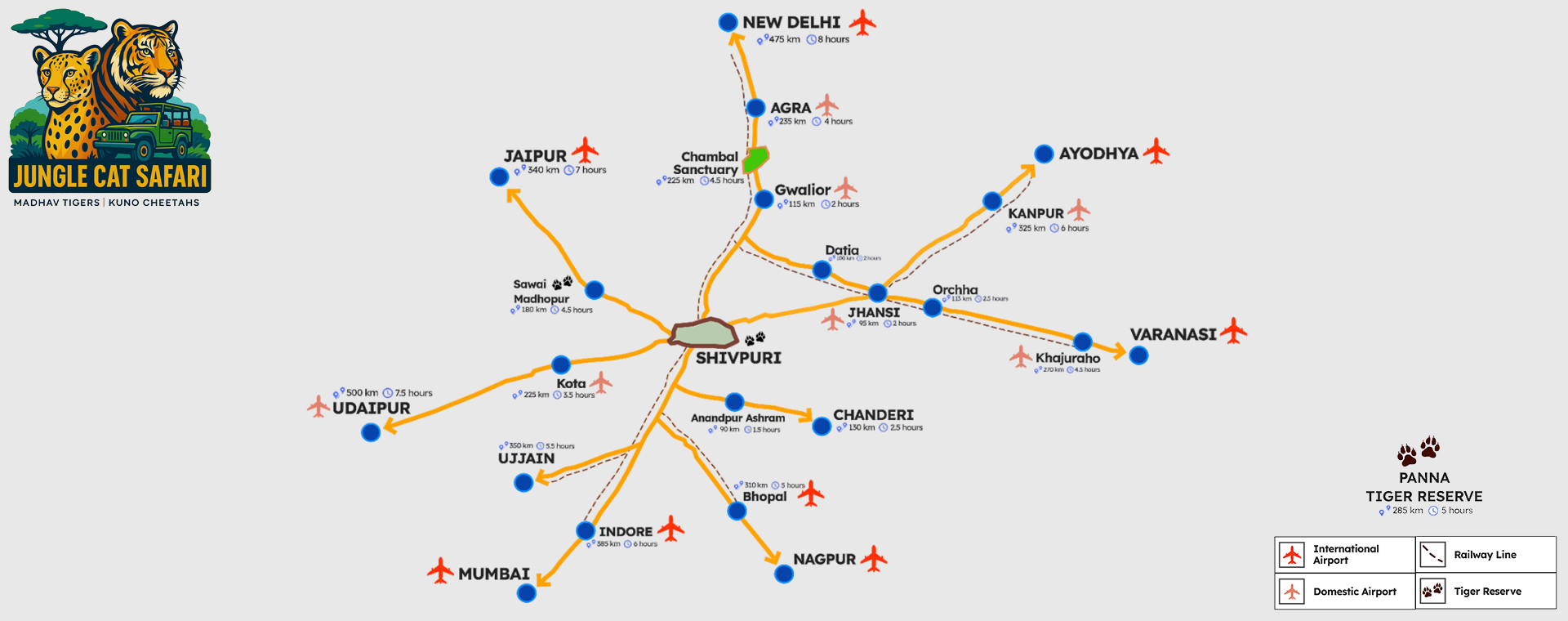
How to Reach Sheopur
Kuno National Park, located in the Sheopur district of Madhya Pradesh, is rapidly emerging as one of India’s most exciting wildlife destinations. Though situated in a remote region, its accessibility is significantly enhanced by the nearby town of Shivpuri, just 60 km away. Shivpuri offers superior connectivity to major cities like Gwalior and Jhansi (approximately 150–200 km from Kuno), making it an ideal base for travelers. With a variety of comfortable lodging options, Shivpuri caters to all kinds of visitors—from casual tourists to serious wildlife enthusiasts.
What truly elevates the appeal of this region is the developing wildlife corridor between Kuno National Park and Madhav Tiger Reserve. Spanning over 100 sq km, this natural stretch of forest is evolving into a shared habitat for both cheetahs and tigers. This offers a thrilling and unique wildlife experience—one where visitors have the extraordinary chance to witness two of the world’s most iconic big cats roaming freely in their natural environment.

By Air
By Air
The nearest operational airport is Gwalior Airport (Rajmata Vijaya Raje Scindia Air Terminal), located approximately 210 km from Sheopur. The drive from the airport takes around 4.5 to 5 hours, depending on the route and road conditions. Additionally, an upcoming airport in Shivpuri, just 56 km from Kuno National Park’s Ahera Gate, is set to significantly improve air connectivity to the region in the near future.

By Train
By Train
Sheopur has its own railway station—Sheopur Kalan—which is currently served by a narrow-gauge line connecting to Gwalior via the historic Gwalior–Sheopur rail route. This line is currently under conversion to broad gauge, which will greatly enhance rail connectivity once completed. Meanwhile, many travelers choose to reach Gwalior (210 km) or Shivpuri (100 km) by train and then proceed to Sheopur by road.

By Road
By Road
Sheopur is accessible via well-connected road networks. It lies approximately 100 km from Shivpuri, 210 km from Gwalior, and about 130 km from Kota (Rajasthan). Regular bus and taxi services are available from these towns and cities, making overland travel convenient.
Kuno National Park,shoepur one of India’s most promising and evolving wildlife destinations. The park shares ecological proximity with Madhav National Park near Shivpuri, forming a vital wildlife corridor. This unique landscape supports an impressive range of species, including cheetahs, tigers, leopards, and more— positioning it as a fast-rising hub for wildlife and eco-tourism.
Do's & Don't
Do’s and Don’ts for Travelers in Wildlife Reserves and Tourist Places (Including Temples)
Do’s:
+ -- Follow Park Guidelines Strictly – Always listen to your safari guide and forest officials.
- Stay Inside the Safari Vehicle – Getting out is prohibited and dangerous unless at designated points.
- Keep Calm and Quiet – Silence enhances your chances of spotting wildlife and keeps animals at ease.
- Use Binoculars – Observe wildlife from a safe distance; never attempt to approach.
- Be Punctual – Safaris are timed with wildlife activity and daylight hours.
- Dress Appropriately – Earth-toned clothing (greens, browns) helps you blend into the environment.
- Carry Essentials – Water, hat, sunscreen, light snacks, and valid ID proof.
- Respect Park Limits – Stay within designated tracks and zones.
- Observe, Don’t Disturb – Appreciate nature without interfering with its course.
Don’ts:
+ -- Do Not Step Out of the Vehicle – Except at officially permitted points.
- No Loud Noises or Shouting – It startles animals and disrupts the experience.
- Do Not Panic if You Encounter Wildlife – Stay calm and let your guide handle the situation.
- Never Feed the Animals – It's harmful and creates dependency or aggression.
- Avoid Flash Photography – It can scare or irritate animals.
- Don’t Litter – Leave nothing behind; keep the forest pristine.
- No Smoking or Alcohol – Strictly prohibited for safety and conservation reasons.
- Don’t Try to Attract Animals – Whistling, calling, or mimicking sounds is forbidden.
- Avoid Bright Clothing & Strong Perfumes – Both can distract or agitate wildlife.
- Don’t Violate Entry Timings – Entering outside permitted hours is illegal and risky.
Travel mindfully. Whether you’re in the heart of a jungle or the serenity of a shrine, your respect for nature and culture makes all the difference.
Safari Must-Knows: Dress, Pack & Park Rules"
Do’s and Don’ts for Travelers in Wildlife Reserves and Tourist Places (Including Temples)
What to Wear for Safari
-
Winter Safaris (October to February):
- Layer up with fleece jackets, thermals, woolen gloves, a beanie, and a muffler
- Stick to neutral tones like olive, brown, or grey to blend in with nature
- Wear closed-toe walking shoes or boots for warmth and safety
-
Summer Safaris (March to June):
- Opt for light-colored, full-sleeved cotton shirts and trousers
- Protect yourself with a wide-brimmed hat or cap and UV-protected sunglasses
- Choose comfortable, breathable yet rugged shoes
- Don’t forget sunscreen and a light scarf or neck gaiter
What to Carry
-
Make the most of your safari with these must-haves:
- water bottle to stay hydrated
- Binoculars and a good camera for wildlife spotting and photography
- Sunscreen, insect repellent, and lip balm for skin protection
- Basic first-aid kit and any essential medications
- Power bank, phone charger, and valid ID proof
- A compact backpack to keep your essentials handy during the safari
Mobile Usage Rules in wildlife parks
1. Keep It Silent:
Always keep your phone on silent or vibration mode. Loud ringtones, music, or videos are strictly prohibited.2. No Flash Photography:
Flash can startle animals and is not permitted under any circumstances.3. Unreliable Network:
Mobile signal is often unavailable in core areas—do not rely on your phone for communication inside the reserve.4. No Live Streaming or Video Calls:
These can distract both animals and fellow visitors and are usually not allowed.5. Limit Use During Safaris:
During critical sightings, guides may ask you to keep your phone away to avoid disruptions.6. Emergency Use Only:
Phones should only be used in genuine emergencies—not for casual calls, texting, or browsing7. Respect Wildlife:
Never use your phone to mimic animal calls or engage in any behavior that may disturb animals.8. Avoid Geotagging:
Sharing geotagged images of endangered species (especially tigers/cheetahs) is discouraged to help prevent poaching.9. No Drone Operations:
Operating drones via phones (or otherwise) is illegal in protected areas without prior official permission.10. Adhere to Reserve-Specific Rules:
Each park may have its own set of mobile usage policies. Always follow instructions from your guide or forest staff.TOP